
Métis Entrepreneur Spotlight: Leach Family Farms
Building a Regenerative Farm Rooted in Family, Health, and Community
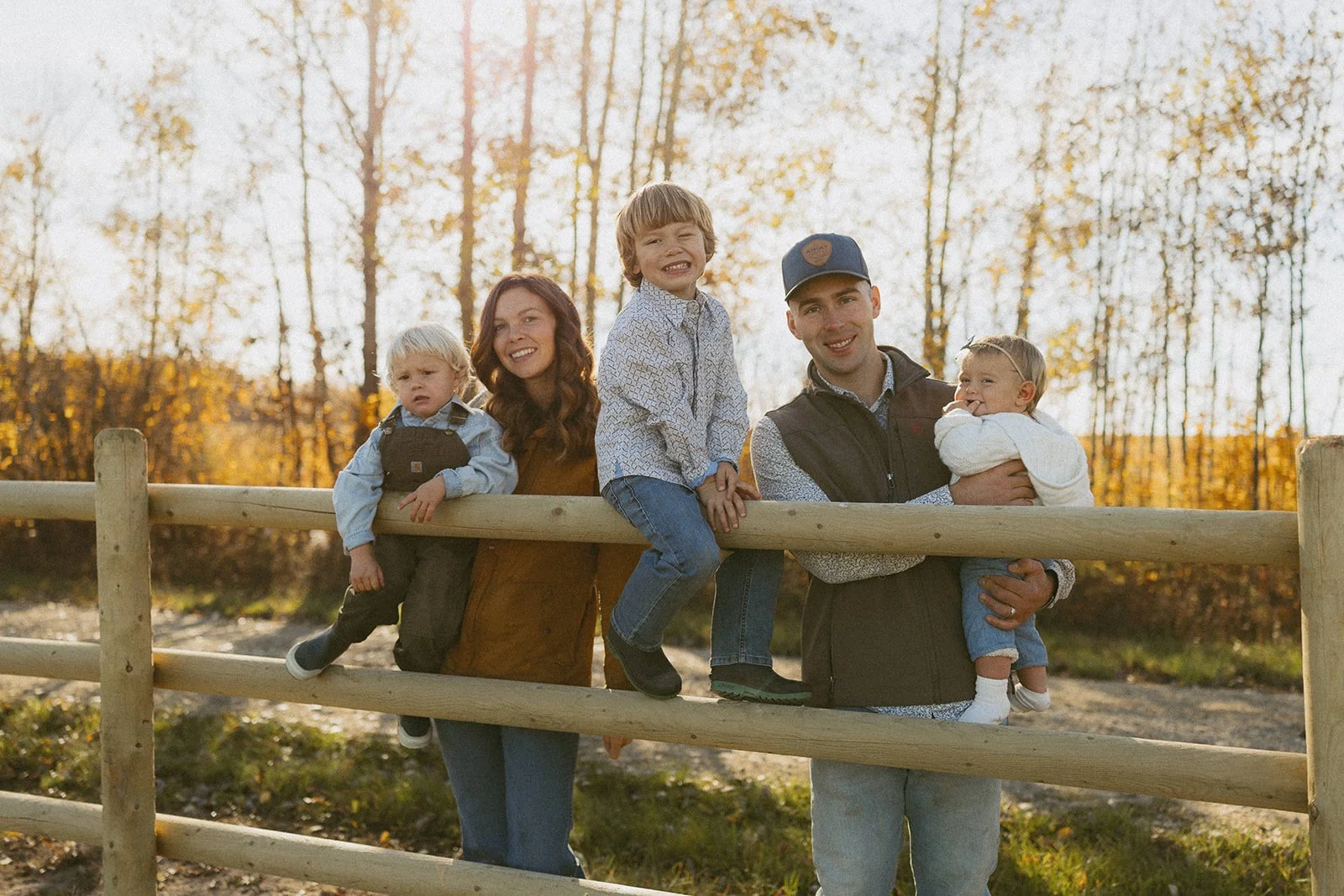
Starting a farm takes more than land, livestock, and equipment. It requires patience, planning, resilience, and a clear understanding of how to grow in a way that is both profitable and sustainable. For Métis entrepreneur Corey Leach, cattle farming is not just a business — it is a way to provide high-quality food, restore the land, support community, and create a meaningful future for his family.
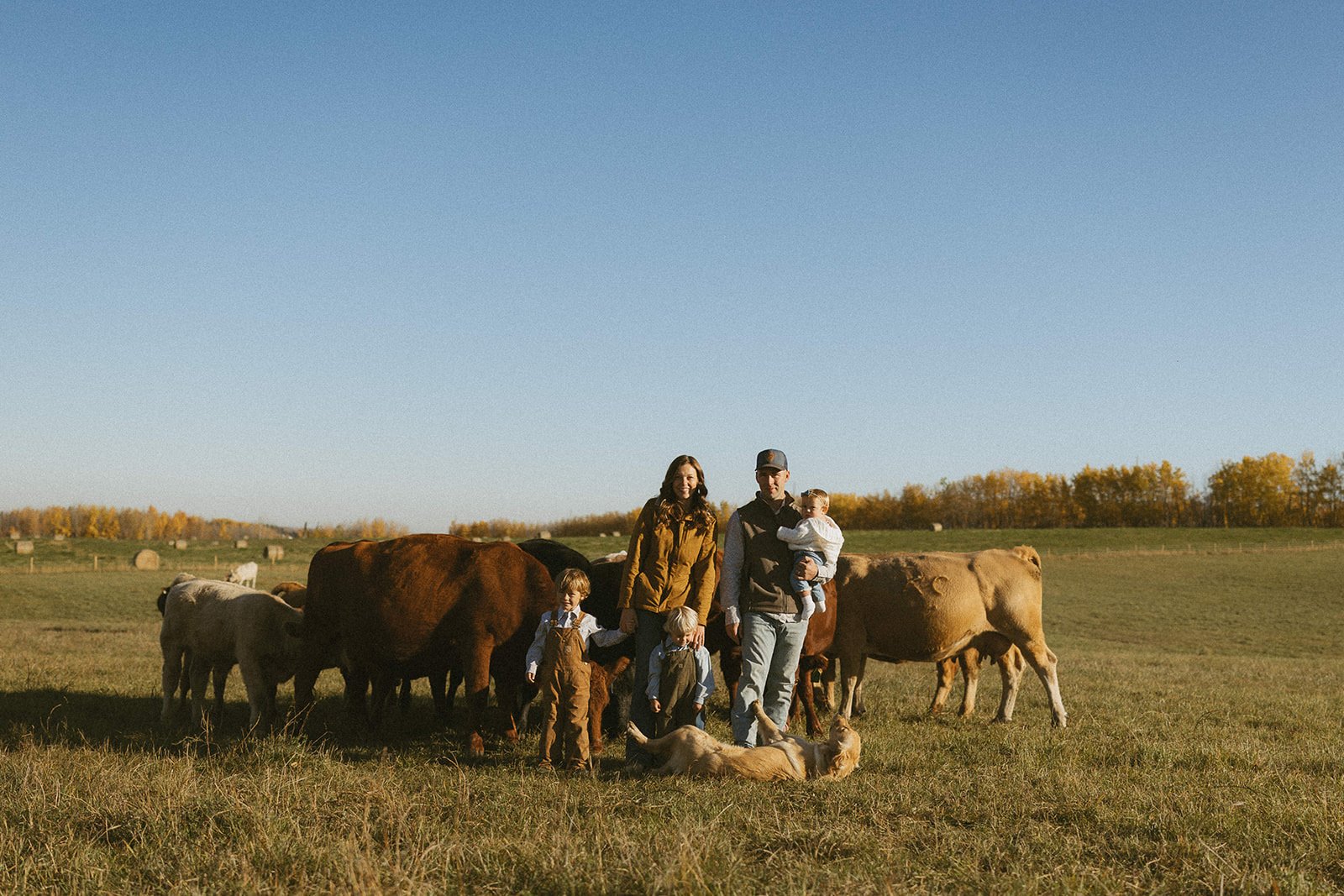
Corey and his family operate a first-generation farm focused on raising nutrient-dense grass-fed beef, pasture-raised pork, chicken, and eggs. Their farm follows regenerative practices, working with nature to restore soil health, improve ecological balance, and produce food in a transparent and responsible way.
“We are passionate about giving back to our community not only by providing high-quality meat products, but by offering farm tours and always having our doors open,” Corey shared.
To learn more about Corey’s farm, products, and community offerings, visit their website at: https://www.leachfamilyfarm.com/
Seeing a Need for Better Food Options
Corey’s inspiration for growing the farm came from recognizing a gap in the food system. He saw a lack of high-quality, transparent protein options in grocery stores and growing concerns around health and nutrition.
As a family that values health, wellness, and quality food, Corey wanted to raise meat in a way that reflected those values. He also wanted his children to have a strong connection to animals, the land, and the work that goes into producing food.
“We wanted our children to have a connection to animals and the land where their food comes from, and to learn the skills required to run a farm,” he explained.
The farm focuses on producing meat that is raised transparently, without antibiotics, hormones, or synthetic inputs, and in a regenerative manner. For Corey, this approach is about more than production. It is about building trust with customers and caring for the land at the same time.
Investing in Growth
Like many agricultural businesses, some of the largest investments required to move the farm forward included land access, pasture, feed, labour, cattle-handling equipment, and livestock.
For Corey, one of the biggest expenses was also the most obvious: the cows.
Funding from Apeetogosan helped support the next stage of the farm’s growth and provided Corey with access to a business planning process that helped him better understand the direction of the operation.
“Karim and the team were by far the easiest people to work with,” Corey said. “They were easy to get ahold of every step of the way and great communicators. The business planning process was super informative and provided helpful insights for my business.”
When asked what the application process was like, Corey described it simply: “Easy.”
Understanding the Challenges of Growth
Although the application process was smooth, growing a livestock business comes with real challenges. For Corey, two of the biggest challenges have been labour and pasture access.
As the business grows, it is important to expand at a pace that makes financial sense while still maintaining strong relationships with landowners. Rental land can be competitive, especially in smaller rural communities, and Corey has learned that growth depends on finding arrangements that benefit both the farm and the landowners involved.
“Our biggest challenge so far in our livestock business, and still is, labour and pasture for the cattle,” Corey shared. “Understanding how to grow at a rate that is profitable and sustainable while maintaining relationships to landowners to use land in a way that benefits both parties is key.”
This lesson is important for other entrepreneurs: growth is not just about increasing sales or expanding operations. It also requires managing relationships, understanding costs, and making decisions that support long-term sustainability.
Advice for Future Entrepreneurs
Corey’s advice for other Métis entrepreneurs is direct and practical: know your numbers.
Understanding costs, revenue, margins, and cash flow is essential when starting or growing a business. He also encourages entrepreneurs to learn from people who have already done what they are trying to do.
“Find someone that has done exactly what you want to do and call them,” Corey said. “Pester them, help them, until you can learn what you need to know.”
For future applicants, this is a reminder that business planning is not just a requirement for financing. It is a tool that helps entrepreneurs prepare, ask better questions, and make stronger decisions.
Looking Ahead
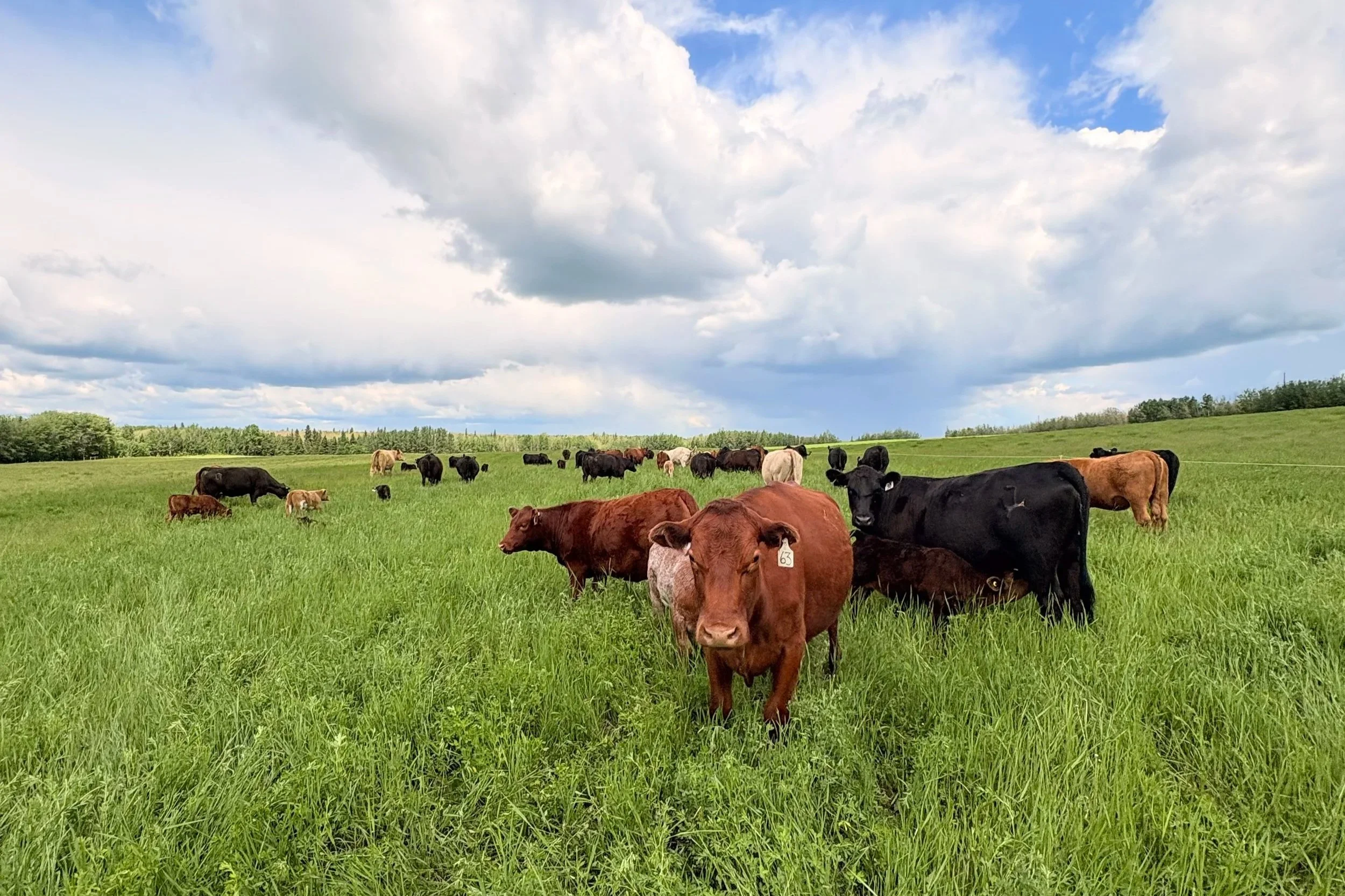
Over the next few years, Corey’s goals are focused on responsible growth. He hopes to increase the cattle herd to 150 cows, expand the farm’s land base, and move the herd into a full direct-to-consumer model to support more consistent cash flow.
Corey also hopes to continue building connections with the community through more farm tours and, eventually, farm-to-table dinners.
His story shows how Métis entrepreneurship can create opportunity while staying rooted in family, community, land stewardship, and long-term sustainability.
For those thinking about starting or growing a business, Corey’s journey offers a clear message: build with purpose, understand your numbers, learn from others, and grow at a pace that works for both the business and the people connected to it.